
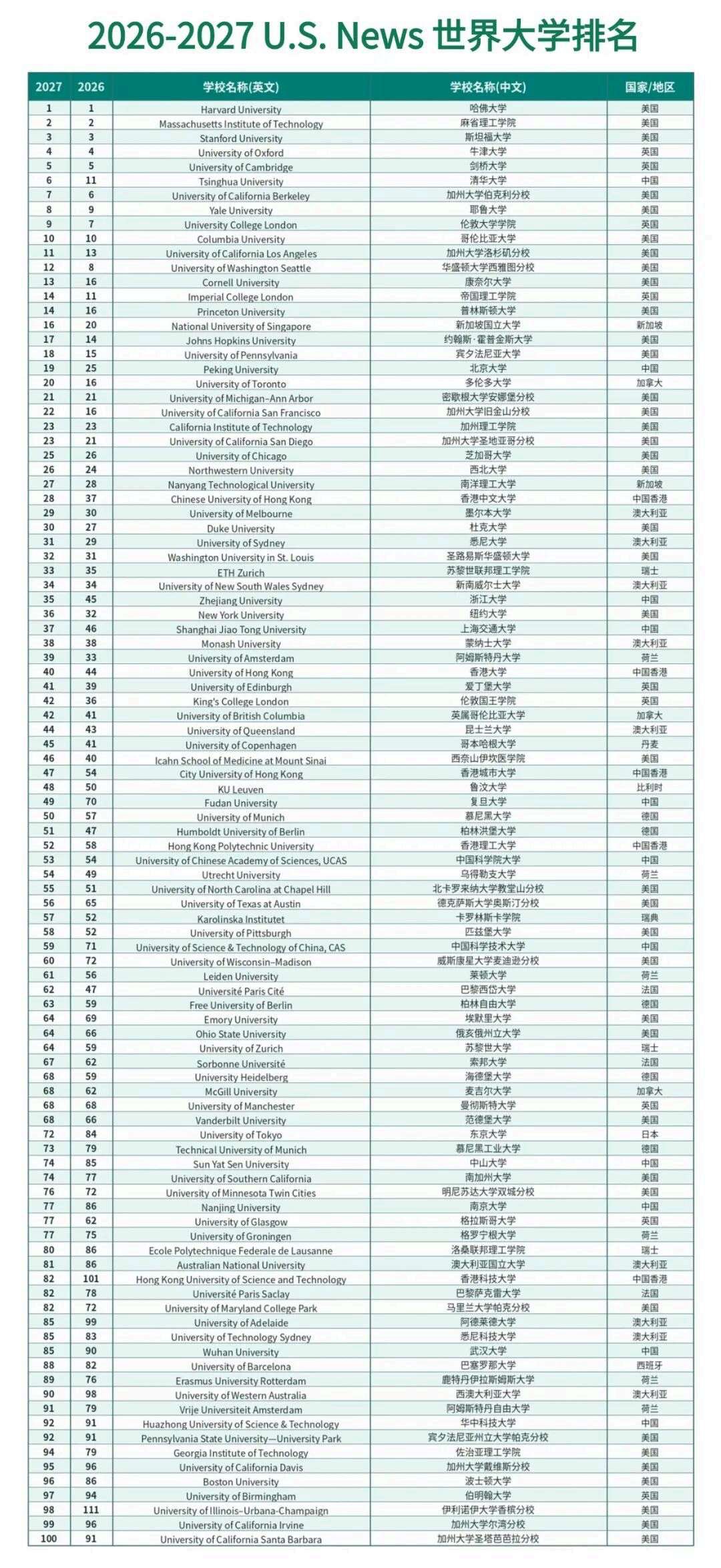
Every year, the U.S. News & World Report releases its global university rankings, offering a cross-border view of academic reputation, research output, and international collaboration. For Singapore families comparing universities in the United States, United Kingdom, and beyond, these rankings are one of the most accessible reference points. Yet they are also widely misunderstood: a higher number does not automatically mean a better fit for your child. In this Singapore university rankings guide, we explain how the 2026 U.S. News rankings are constructed and how to use university rankings without falling into the "ranking obsession" trap.
How U.S. News Ranks Universities Globally
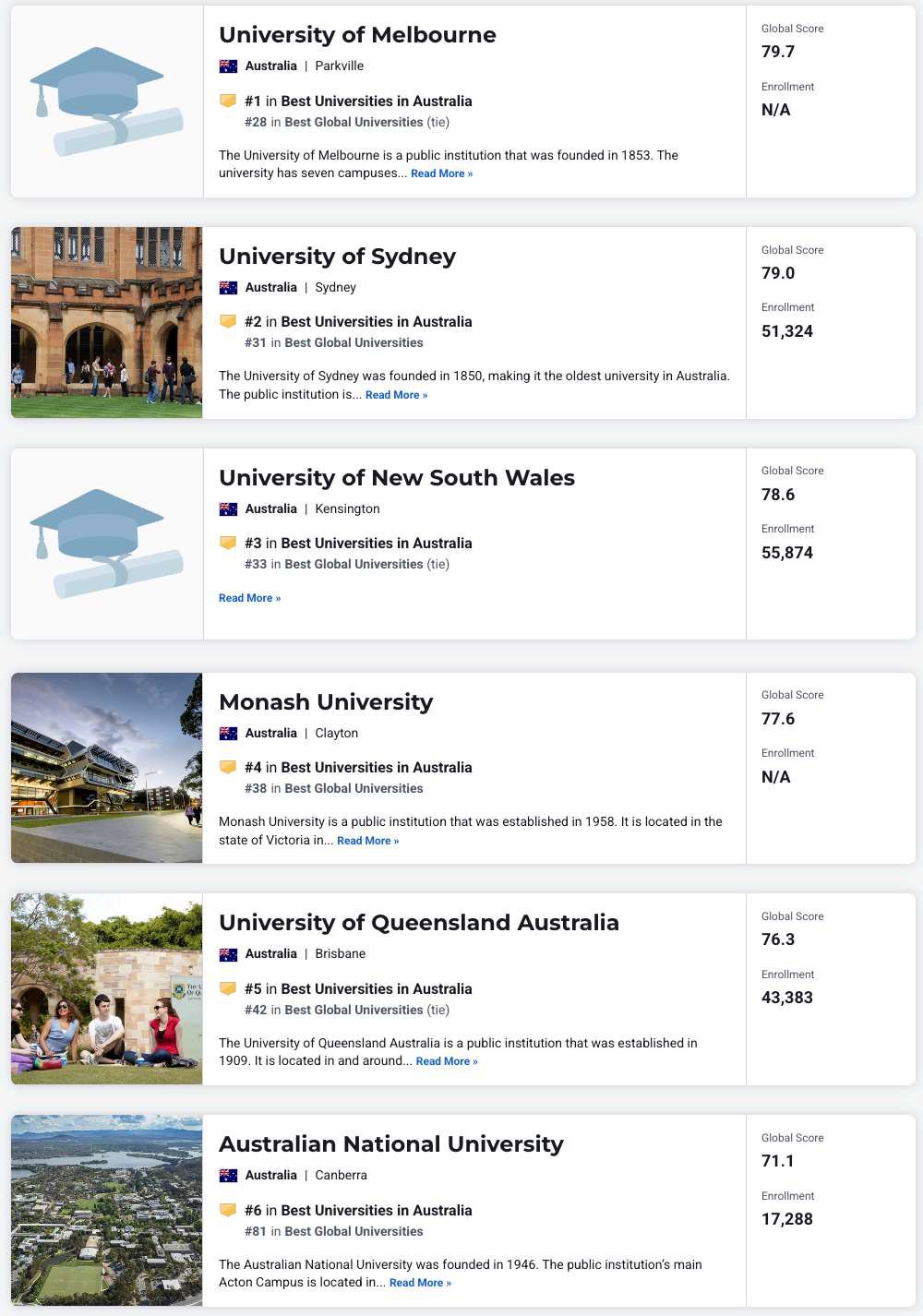
The U.S. News global ranking focuses on academic research performance rather than undergraduate teaching quality. Its key indicators include global research reputation, regional research reputation, highly cited papers, international collaboration, and PhD output. That means a university may rank very high because of its graduate research, even if its undergraduate teaching or career support is less relevant to an 18-year-old applicant. Singapore parents should therefore pair the ranking with subject-specific league tables, graduate employment data, and campus culture reviews before building a shortlist.
What the 2026 Results Mean for Singapore Students
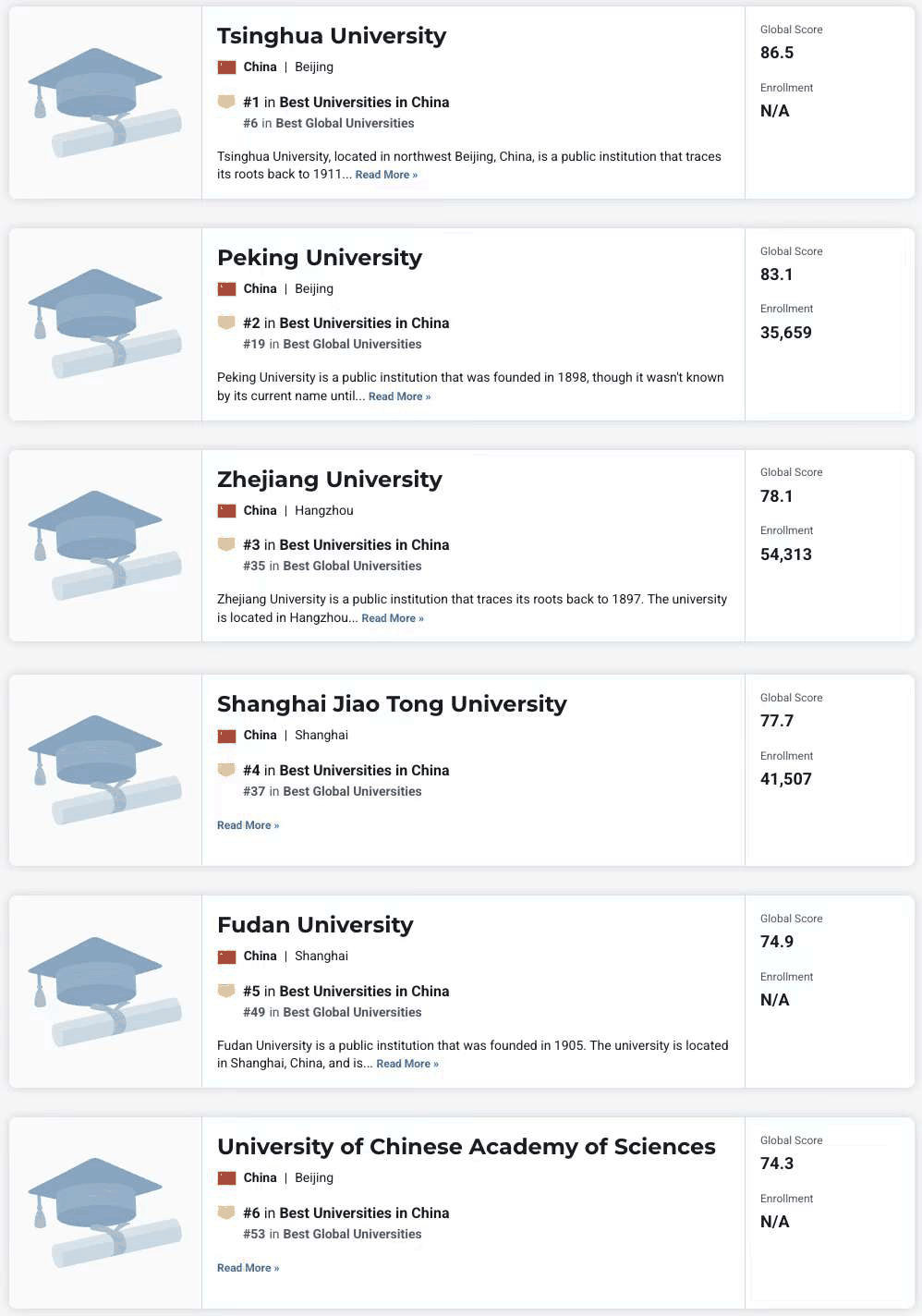
In the latest 2026 edition, US institutions continue to dominate the top tier, while UK universities such as Oxford, Cambridge, and Imperial maintain strong positions. What matters most is not the absolute rank but the fit: a student aiming for engineering, life sciences, or business analytics will have very different ideal destinations. Elite Education recommends a three-layer approach: start with rankings to identify a safe range, then dig into course structure, faculty access, and alumni outcomes, and finally evaluate location, cost, and visa pathways. For a deeper look at the QS methodology, see our guide to the 2027 QS World University Rankings. If you are comparing standardised tests, our SAT vs ACT guide can help you choose the right path.
FAQ
Is U.S. News the same as the national U.S. News college ranking?
No. The global ranking compares universities worldwide on research metrics, while the national ranking focuses on US undergraduate experiences such as teaching quality and retention.
Should my child only apply to top-50 universities?
Not necessarily. Selectivity, fit, and intended major matter more than a single number. A top-100 programme in your child's field can be a stronger choice than a top-20 generalist university.
Do rankings affect graduate employability in Singapore?
Employers recognise brand names, but they also value internships, projects, and skills. A balanced portfolio beats a pure prestige label.
How often should we revisit rankings?
Rankings are updated annually. Use them as a snapshot, not a rulebook, and revisit once per application cycle.
Can Elite Education help interpret rankings for our family?
Yes. Our consultants combine rankings with student profiles, subject interests, and family goals to build a personalised, defensible university shortlist. Contact us for a consultation.