
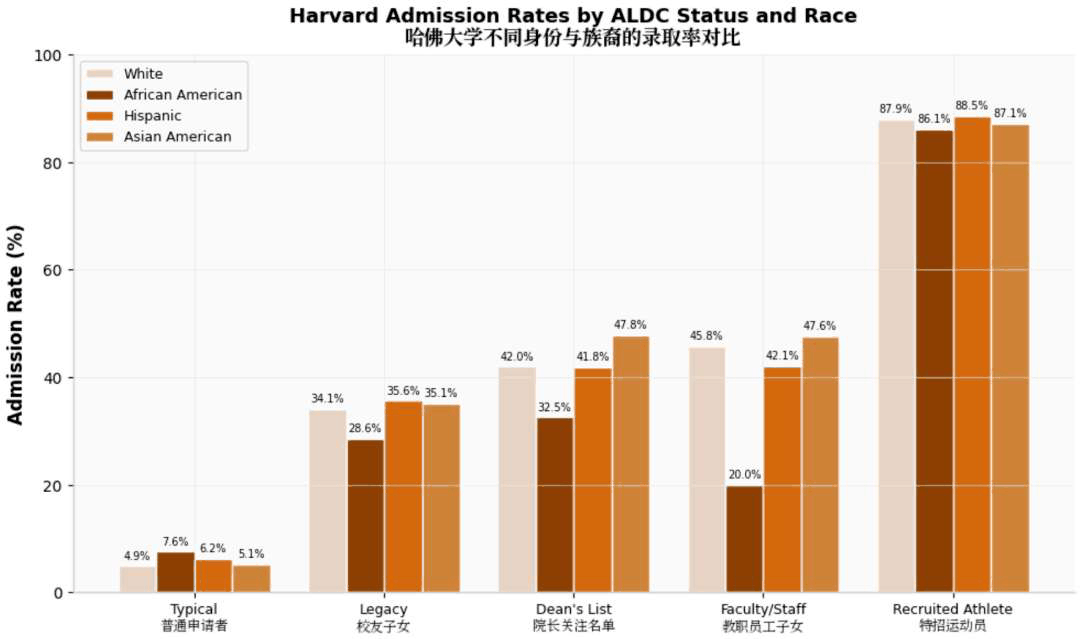
Athletic recruitment is the process through which US colleges identify, evaluate, and admit talented student athletes before the regular application cycle. For dedicated athletes in Singapore, a strong sports record can become a genuine sports pathway into highly selective universities. At schools like Stanford, recruited athletes often receive early, targeted support from coaches, which can significantly strengthen an application that also meets academic standards.
However, athletic recruitment is not a shortcut around academic expectations. Coaches look for athletes who can contribute to a varsity team and still succeed in rigorous classes. The pathway rewards long-term commitment, not a last-minute resume addition.
How the recruitment process works
Recruitment typically begins in a student's sophomore or junior year. Athletes build a profile with stats, highlight videos, and tournament results, then reach out to college coaches. Coaches may invite unofficial or official visits, and for top prospects they can advocate through the admission office via a "likely letter" or recruited athlete designation.
For a Stanford admission through sport, the student must still clear the academic bar: strong grades, test scores where required, and a compelling personal story. The coach's endorsement helps, but the committee makes the final call.

Building a credible sports profile
Singapore families should start early and choose a sport with a real competitive track. Consistent tournament results, national-level participation, and verifiable rankings carry more weight than casual club activity. Equally important is documentation: a clean highlight reel, a concise athletic resume, and academic transcripts ready to share.
Elite advises students to treat sport and study as one plan. We help families map a timeline that protects GPA and test prep while leaving room for training and competitions. The goal is a recruit who looks strong on both the field and the transcript.
Lessons from a Stanford story
The Stanford case shows a clear pattern: an athlete who trained seriously for years, kept grades high, and communicated early with coaches. Recruitment did not replace effort — it rewarded it. The student treated the process as a long project, not a loophole, and that discipline is what selective schools notice.
Families exploring US options should also understand the wider application landscape. Our US high school application guide for 2026 explains how early planning builds the foundation for both academic and athletic paths.

FAQ
What is athletic recruitment?
It is how US colleges find and admit skilled student athletes, often with coach support, ahead of regular admissions.
Can sport really help get into Stanford?
Yes, recruited athletes receive coach advocacy, but they must still meet Stanford's academic standards.
When should a student start?
Ideally by sophomore year, building competition results and reaching out to coaches by junior year.
Does recruitment lower academic requirements?
No. Recruited athletes still need strong grades and test scores; sport adds a pathway, not a bypass.
How can Singapore families begin?
Choose a competitive sport, track results, prepare a highlight reel, and plan academics and training together.
If your child is a serious athlete, Elite Education can help design a combined academic and athletic recruitment strategy. Contact us to explore a realistic Stanford admission pathway.