

The QS World University Rankings 2027 give Singapore families a fresh snapshot of where the world's leading universities stand, and more importantly, how to read those standings when planning a child's overseas education. For families aiming at the United States, the rankings confirm a familiar pattern: MIT tops the list for a 15th consecutive year, while Harvard, Stanford, and Caltech remain in the top tier. But a rank is only one input — understanding what it measures matters more than the number itself.
Singapore parents often ask whether a high ranking guarantees a good fit. The honest answer is no. Rankings reward research output, faculty citations, and international diversity, which are useful signals but do not capture teaching quality, campus culture, or career outcomes for international students.
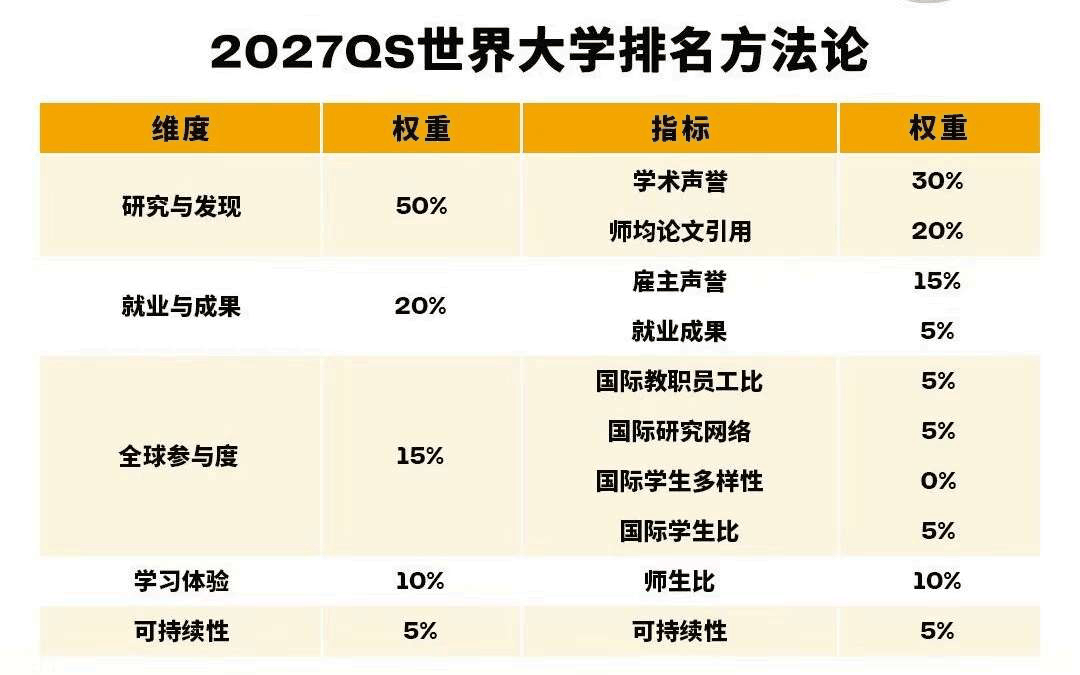
What the 2027 QS methodology actually measures
QS scores universities on nine indicators: academic reputation, employer reputation, faculty/student ratio, citations per faculty, international faculty ratio, international students ratio, international research network, employment outcomes, and sustainability. For a Singapore university choice, the international diversity and employer reputation metrics are especially relevant, because they hint at how well a graduate will be received by global employers.
US institutions continue to dominate the very top. Beyond MIT, schools such as Harvard, Stanford, UC Berkeley, and the University of Chicago hold strong positions. For Singapore students, this reinforces the value of a US degree, but it also means competition for those places is intense.
Using rankings without obsessing over them
A practical approach is to shortlist universities by subject, not just overall rank. A mid-ranked school with a top-ten engineering or business programme may serve a Singapore student better than a higher-ranked school weak in their chosen field. Rankings should shape a longlist, not the final decision.

FAQ
Does a top QS rank mean easier admission for Singapore students?
No. Higher-ranked schools are typically more selective, so strong grades, tests, and a compelling application matter even more.
Should I choose a US school by overall rank or by subject?
Prioritise subject strength in your intended major; overall rank is a weaker predictor of fit.
How much do employers in Singapore value QS rankings?
Large employers and MNCs reference rankings loosely, but they weigh internships, skills, and the specific school's alumni network more heavily.
Are Hong Kong universities worth considering alongside the US?
Yes. Several HK schools rose in 2027 and offer a familiar timezone and lower travel cost for Singapore families.
When should my child start preparing?
Ideally 18–24 months before application, to build academics, extracurriculars, and standardised test scores.
If you are weighing a US university admission against other destinations, our team can help you translate rankings into a realistic shortlist. You may also find our US university Ivy League application guide useful as a next step. Contact Elite Education for a personalised consultation.